


Local News
Flood Safety Week in Wisconsin is March 9-13
March 9-13, 2026 is Flood Safety Week in Wisconsin.
Flooding is a hazard that we can experience through multiple ways. Snow melt and spring thaw can cause flooding along waterways, ice jams can cause rivers and streams to rise above their banks as
water cannot flow normally, along with flash flooding events caused by heavy rains.
Knowing what you can do to protect yourself and cope with possible impacts is an important thing to consider.
One of the first things to consider is your flood risk. If you live along a waterway or low-lying area that is prone to flooding you may have a higher risk of being impacted by flooding.
There are many things we can do to help be more prepared for a flooding emergency. Fond du Lac County Emergency Management encourages everyone to be as ready as possible. This preparation and planning can make a major difference in your ability to respond if an emergency happens.
Protect your family. Create an emergency plan so you and your loved ones know what to do and where to go in case there is a flood. Practice the plan and make sure everyone knows what to do
when a flood warning is issued.
Make a list of emergency numbers and important contacts.
Consider flood insurance. Most homeowner, rental, and business insurance policies generally do not cover flooding. Don’t wait until it’s too late. Most flood coverage requires 30 days to take effect.
Find more information about flood insurance options at https://www.floodsmart.gov/
Keep water out of and away from your house. Clean gutters regularly, direct downspouts away from your foundation, repair cracks in your foundation, improve grading so water flows away from your house, and cover window wells.
Move valuables out of the basement. Elevate or flood-proof your washer, dryer, water heater, and HVAC systems. Relocate electrical outlets to three feet above the floor.
Stay informed. Be aware of weather forecast information, whether its heavy rain or a warmup that causes snowmelt. Have more than one way to receive weather warnings. Enable Wireless
Emergency Alerts on your cell phones to be alerted of imminent threats in your area. NOAA All-Hazards Radio, local TV and Radio, cell phone apps such as Smart911, and internet sites such
as National Weather Service are examples of these types of sources of information.
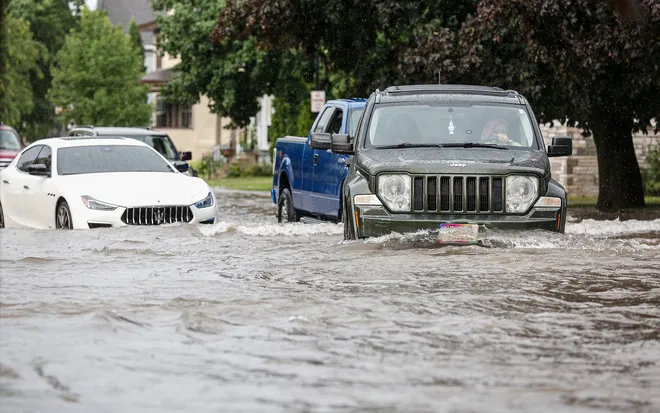
Never drive or walk-through flooded areas. Turn around, don’t drown! It takes 12 inches of water to carry away a small car. Be especially careful while driving at night. It is important to also not walk through floodwater. Just six inches of fast-moving water can sweep adults off their feet.
Floodwater may also be contaminated by sewage or chemicals and can hide downed power lines or debris that may cause injuries.
Take steps to protect your health:
o If your home floods, follow cleaning and disinfection guidelines to avoid mold growth.
o If the power goes out for more than four hours, throw out refrigerated food or any food that came into contact with floodwater.
o If your drinking water well is flooded, disinfect the well and test the water to make sure it’s safe before drinking it.
o If you use a generator, keep it outside at least 20 feet from your home to avoid illness or death from carbon monoxide, which can occur in enclosed spaces.
More information is available through FEMA’s ready.gov website and Wisconsin Emergency Management’s Ready Wisconsin website.