


Local News
Pavement buckling expected to be an issue during heatwave
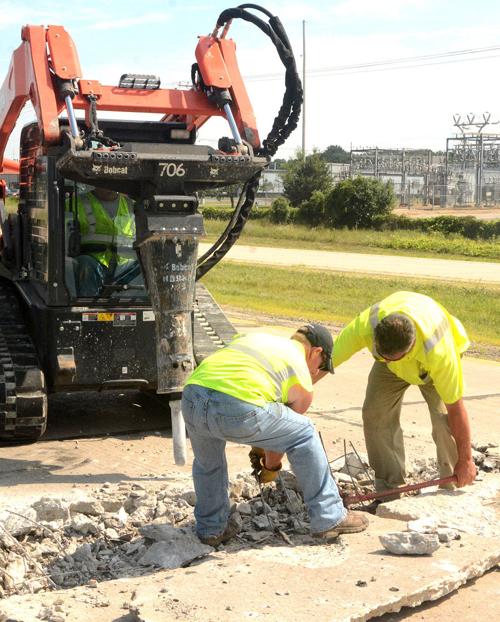
The Wisconsin DOT is reminding drivers of roadway buckling during the current heatwave.
Concrete expands as it heats up. On most days, that expansion is small enough that it isn’t noticeable, as expansion joints placed between sections of pavement, allow the slabs to expand and contract with the changing temperatures.
However during periods of extreme heat, those concrete slabs can continue expanding. If the expansion joints are filled with dirt, gravel, or other debris, or if there simply isn’t enough room for the pavement to expand, pressure begins to build between the slabs, with the pavement suddenly pushing upward, creating what engineers call a pavement buckle. The result can be a raised section of roadway several inches high, creating a dangerous hazard for motorists traveling at highway speeds.
Buckled pavement can form with little warning and sometimes within just a matter of minutes during the hottest part of the day. It’s most common on older concrete highways, roads with heavy traffic, and locations where expansion joints have deteriorated over time.
Transportation crews closely monitor road conditions during extreme heat and respond quickly when pavement failures are reported. Damaged sections are often temporarily patched until permanent repairs can be made.
Drivers should remain alert while traveling during periods of extreme heat, particularly on concrete highways. If you notice an uneven section of pavement, reduce your speed if it’s safe to do so, avoid making sudden steering movements, and allow extra following distance from the vehicle ahead in case the other driver reacts to a road hazard.
The DOT also says watch for slowing traffic and be ready to move over for any roadside workers, including highway crews as they repair damaged pavement.