


Local News
Fond du Lac County Law Enforcement Agencies End Use of Flock License Plate Readers
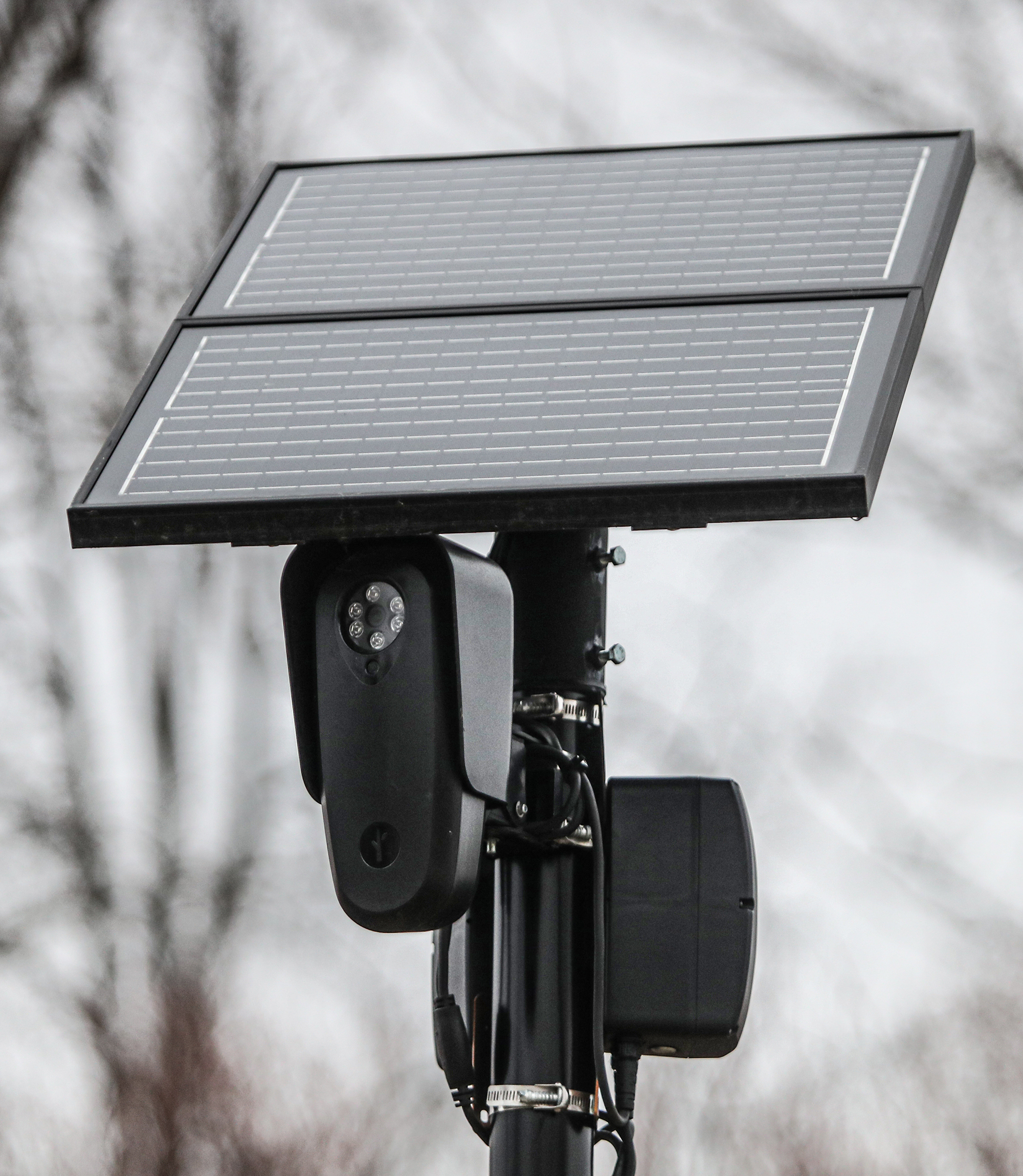
Fond du Lac County’s law enforcement agencies are pulling the plug on their use of Flock Safety automated license plate reader cameras, citing concerns over the security and control of sensitive investigative information.
The Fond du Lac County Sheriff’s Office, along with police departments in Fond du Lac, Waupun, Ripon and North Fond du Lac, announced the countywide decision Friday.
The agencies say they are fully discontinuing their use of Flock systems effective immediately.
The decision follows the discovery that search data from Flock systems — including records connected to active criminal investigations — had been disclosed to the public by law enforcement agencies in other states after those agencies received open records requests.
Fond du Lac County officials say they did not authorize the release of that information.
Under Wisconsin law, records relating to active investigations can be exempt from public disclosure, and local law enforcement officials say they were concerned that information collected in Fond du Lac County could ultimately be subject to records decisions made by agencies in other states.
The concern centers on one of Flock’s key features: its nationwide network.
Flock cameras don’t simply allow an individual police department to search its own cameras. Participating agencies can share information across a nationwide network, allowing investigators to look for vehicles that may have traveled outside their local jurisdiction.
That capability has been promoted as one of the major benefits of the system, particularly when criminals cross city and county lines.
But Fond du Lac County law enforcement officials say that same network creates a problem — once information is shared outside the county, local agencies can no longer guarantee how that information will ultimately be accessed, stored or disclosed.
The agencies say that is a risk they are no longer willing to accept without stronger safeguards.
The decision comes amid growing scrutiny of Flock Safety and automated license plate reader technology nationwide.
In Wisconsin, several communities have already moved away from Flock this year.
Dane County ended its Flock contract in May. After the cameras were not immediately removed, the Dane County Sheriff’s Office covered all 26 cameras to prevent them from continuing to collect information. County officials said they planned to pursue another ALPR system that would give the county greater control over its data.
UW–Madison Police also ended its Flock contract in June, saying it wanted to find a vendor that better met the university’s public safety needs while addressing concerns raised by the campus community. UW Police said it continues to believe ALPR technology can be useful and is considering alternatives to Flock.
In Northeast Wisconsin, Kaukauna ended its three-year Flock contract in June. Police Chief Jamie Graff cited concerns over data security, as well as the shrinking number of surrounding communities participating in the Flock network.
Appleton, Oshkosh, Sturgeon Bay and Grand Chute have also moved away from Flock.
And just this week, Menasha ordered its Flock cameras covered while the city considers terminating its contract. Mayor Austin Hammond cited concerns about privacy and how information collected by the cameras is accessed and shared.
Sheboygan has also covered its 15 Flock cameras and plans to ask its Common Council to terminate the city’s contract at its September 8 meeting. City officials say they became aware of actions by Flock that they believe were inconsistent with the city’s contract and expectations and that the situation undermined trust in the company.
Despite the concerns, Fond du Lac County law enforcement officials emphasize that they are not saying the technology itself has been ineffective.
The agencies say Flock has helped investigators locate homicide and shooting suspects, child sex-trafficking suspects, drug traffickers and stalkers. They also say the system has helped locate missing, suicidal and endangered people, including trafficking victims.
Officials say they have heard from residents who were grateful for those results, while also hearing from residents concerned about privacy and oversight.
Both sides, they say, were considered in the decision.
Fond du Lac County agencies also point out that they had already established safeguards governing the technology. Those safeguards included training for users, requiring documented justification before searches, and conducting regular audits of system activity.
Officials say their confidence in local officers’ use of the system has not changed.
Instead, they say, the concern is what happens to the information after it leaves the local agency.
“The technology itself has helped us apprehend dangerous criminals,” the agencies said, while emphasizing that protecting victims, witnesses, juveniles, confidential sources and suspects requires strict controls over investigative information.
As of Friday, searches on the Fond du Lac County Flock system have been disabled.
Covers are also being installed over the lenses of the county’s Flock cameras to prevent them from capturing additional images.
The agencies say they will continue monitoring developments involving ALPR technology, including new laws, regulations and industry safeguards.
They have not ruled out using automated license plate readers again.
Instead, they say they would reconsider the technology if stronger safeguards are established governing how shared ALPR information is accessed, stored, used and disclosed by other jurisdictions.
The Fond du Lac County statement was signed by Sheriff Ryan Waldschmidt of the Fond du Lac County Sheriff’s Office, Fond du Lac Police Chief Aaron Goldstein, Waupun Police Chief Jeremy Rasch, Ripon Police Chief Bill Wallner and North Fond du Lac Police Chief Pete Vergos.