


Wisconsin News
Reports of dead deer surge in southeastern Wisconsin amid disease outbreak
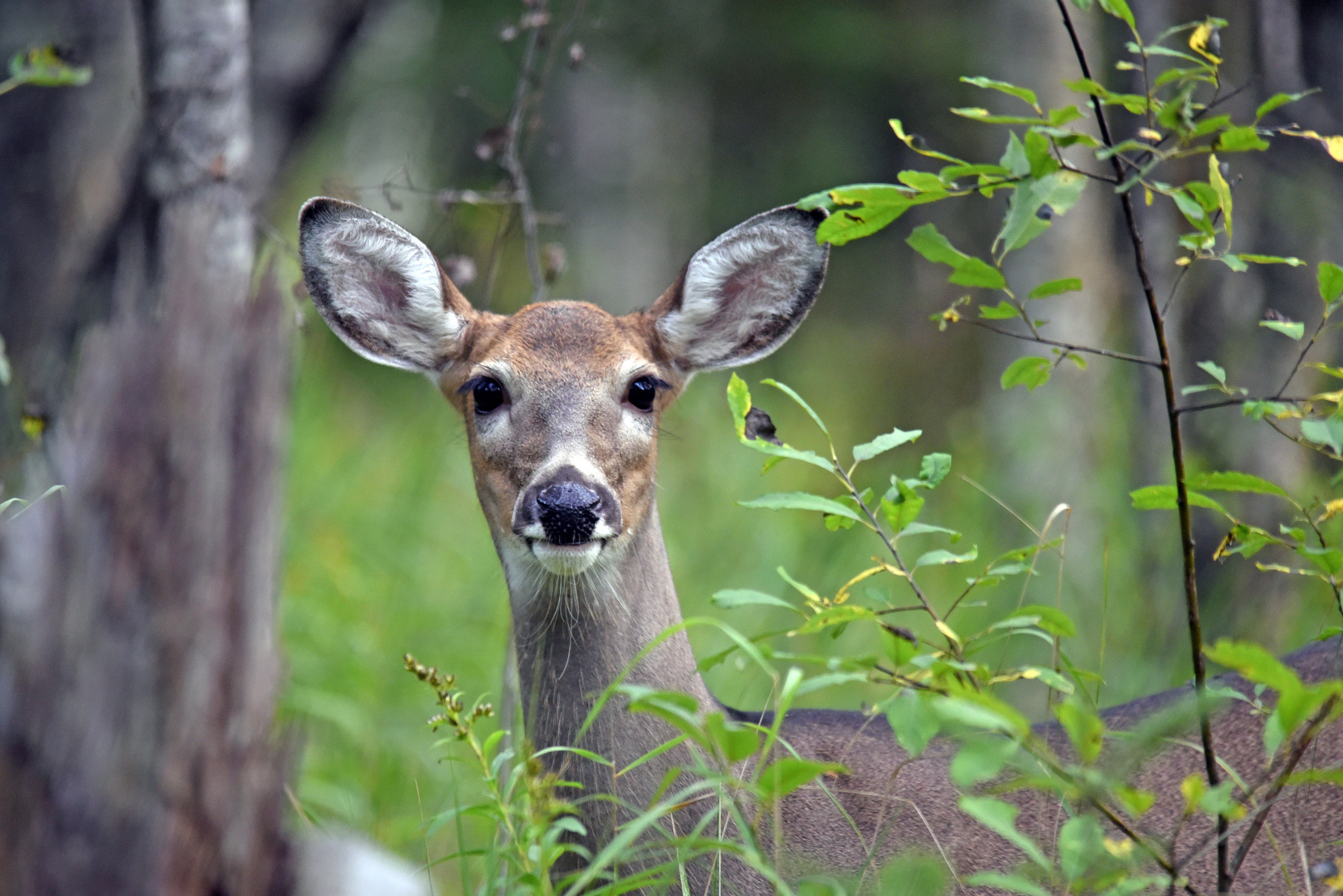
The DNR has received more than 700 reports in Washington County
Wisconsin wildlife regulators have now received almost 900 reports of dead deer in southeastern Wisconsin that are tied to an ongoing outbreak of Epizootic Hemorrhagic Disease.
Last month, the Wisconsin Department of Natural Resources confirmed two wild deer in Washington County tested positive for the viral disease that’s spread by biting flies or midges.
The disease is often fatal in deer, and people aren’t at risk of being infected. The DNR’s wildlife health section supervisor Jasmine Batten said the state is receiving “significantly higher total numbers” of dead deer than past outbreaks in Wisconsin.
Around 700 reports came from Washington County. More than 150 reports have been received in Waukesha County and more than 30 in Ozaukee County.
“Certainly, an EHD outbreak of this magnitude locally for this season appears devastating to landowners and hunters in terms of the number of deer in a small area they’re seeing dead,” Batten said. “We can really appreciate why people are so concerned. There probably will be hunting properties that have far fewer deer this fall going into the season.”
Wisconsin first detected the disease in 2002 when about 14 deer died suddenly in Iowa County. Since then, the state has seen sporadic outbreaks. The most reports the state had previously received in a single county were 226 dead deer in Crawford County.
While reports are up in southeastern Wisconsin, Batten urged residents to take the numbers with a grain of salt. She said there may be duplicate reports.
The agency was first notified of dead deer in the region in late July, which is earlier than past outbreaks. The disease is more common in the southern and western U.S., and outbreaks typically occur from August to October when insects are most abundant.
Batten said research suggests that environmental conditions may influence the spread of the disease, which has been associated with drought conditions. She said that’s likely due to deer congregating around waterways, which are also breeding habitat for midges.
“You have to have the right conditions where these fly populations are really coming into contact with the deer,” Batten said. “It’s not a hard-and-fast rule, but across the board there’s been more of an association in drought years.”
Deer that may have contracted the disease typically show signs of foaming around the nose and mouth. They may appear weak, allow people to approach them or lay down in waterways to cool down as infected deer become feverish.
With sporadic outbreaks in Wisconsin, death rates can be higher among some herds. Batten said deer likely have no immunity built up to survive the infection, noting up to half the local deer herd may die in some outbreaks. Deer can die from EHD within a week of contracting the disease, but it’s not always fatal.
“Those deer that are exposed, and do not die, will have immunity next year,” Batten said. “You’re not likely to see another outbreak in that exact location in those same herds for a number of years.”
The state’s deer population has been increasing to a record 1.89 million deer, and Washington County’s population has also been rising to an estimated 16,200 deer. Batten said there’s a lot of room for the local population to recover over the next few years.
“As disturbing as it is when there’s a big outbreak here, it’s really good to keep in mind that it’s not typically something to panic about,” Batten said. “Our deer populations in those areas are very robust.”
Batten said the DNR hasn’t seen any indication of outbreaks in other regions of the state. The agency isn’t planning to pursue additional testing and relies largely on public reports. People can report a sick or dead deer by filling out an online reporting form on the DNR’s website or calling the agency at 608-267-0866.
Wisconsin Public Radio, © Copyright 2026, Board of Regents of the University of Wisconsin System and Wisconsin Educational Communications Board.