

Local News
Labor Day: More Than Just the Unofficial End of Summer
For many Americans, Labor Day means a long weekend, one last summer cookout, a trip to the lake or the unofficial end of the summer season.
But the holiday has a much deeper meaning.
Labor Day, observed on the first Monday of September, is a national tribute to the contributions and achievements of American workers. The holiday grew out of the labor movement of the late 1800s, when workers and labor activists pushed for recognition of the role working people played in building the nation’s economy and communities.
How Labor Day Began
The first Labor Day celebration was held in New York City on September 5, 1882.
Thousands of workers and spectators took part in what became the nation’s first Labor Day parade. The celebration was organized by the Central Labor Union and included a parade through Manhattan followed by a festival for workers and their families.
There is some debate over who should receive credit for creating Labor Day.
Union leader Peter J. McGuire is often credited with proposing the idea of a holiday honoring working people. However, historical research has also pointed to Matthew Maguire, a machinist and labor leader from New Jersey, as possibly being the person who first proposed the holiday in 1882.
The idea quickly spread.
Oregon became the first state to officially recognize Labor Day in 1887. Other states followed, and by 1894, 23 additional states had adopted the holiday.
On June 28, 1894, President Grover Cleveland signed legislation making the first Monday in September a national legal holiday.
What Labor Day Means Today
More than 130 years later, Labor Day has become a familiar part of the American calendar.
It is a day to recognize workers in virtually every part of our communities — from farmers and factory workers to teachers, construction workers, truck drivers, health care workers, public safety personnel, small-business owners and countless others.
And while many people have the day off, plenty of workers don’t.
Police officers, firefighters, emergency medical personnel, nurses, doctors, utility workers, transportation employees, restaurant workers, retail employees and others continue working while much of the country enjoys the holiday weekend.
In that sense, Labor Day is also an opportunity to recognize the people who keep communities operating when most of us are taking a break.
More Than the End of Summer
Labor Day has also become closely associated with the unofficial end of summer.
For generations, the holiday weekend has marked the final big summer gathering before school routines, fall activities and cooler weather take over.
But behind the cookouts, parades and weekend getaways is a holiday that was created specifically to recognize the value of work.
The U.S. Department of Labor describes Labor Day as an annual celebration of the social and economic achievements of American workers and the contributions workers have made to the nation’s strength, prosperity and well-being.
So as families across Wisconsin enjoy this Labor Day, take a moment to think about the people whose work keeps our communities moving — including those who are working today while others are enjoying the holiday.
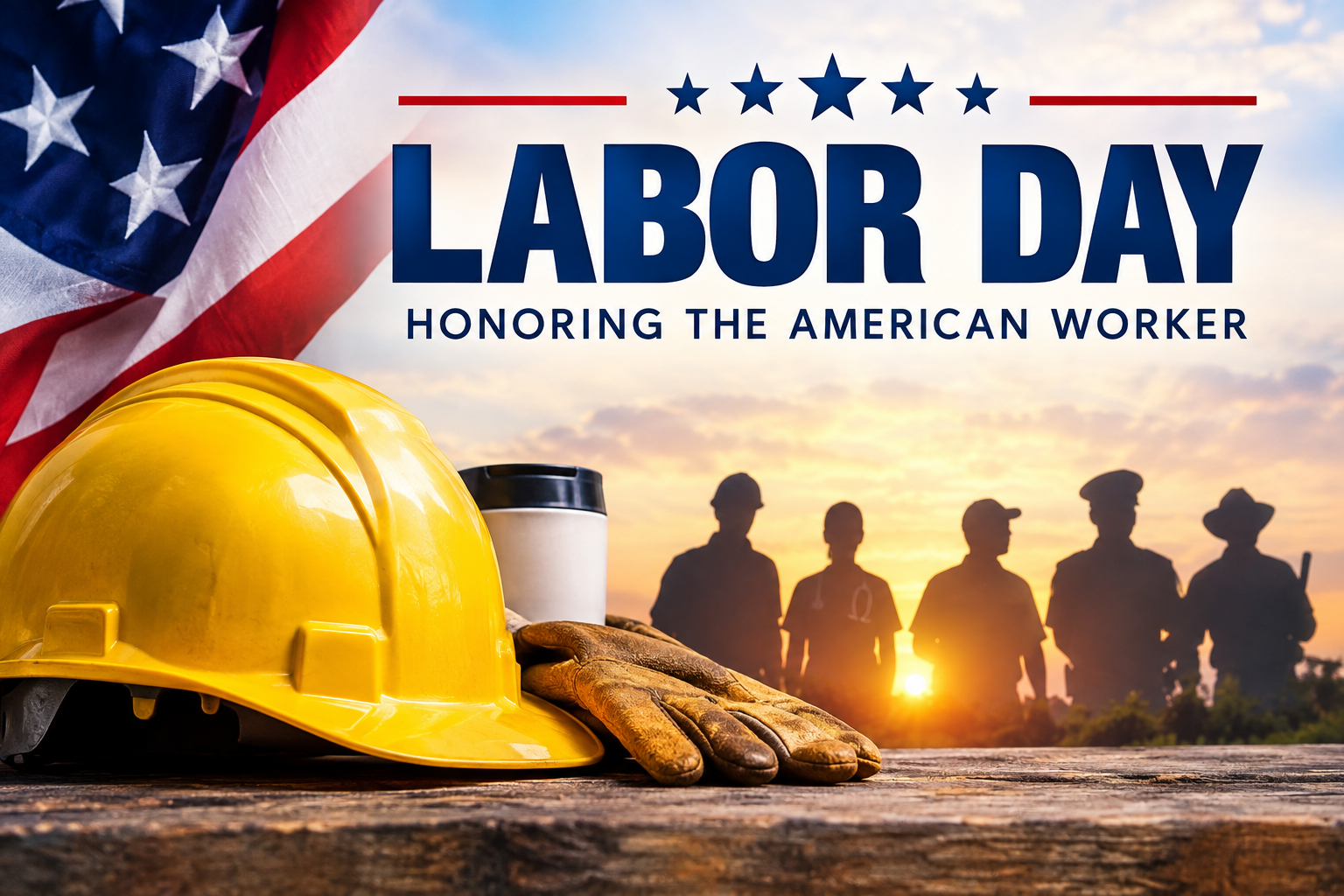
Labor Day may signal the unofficial end of summer, but its original purpose remains the same: to recognize and appreciate the American worker.