


Local News
Local swatting incident quickly proven false, but that’s not always the case
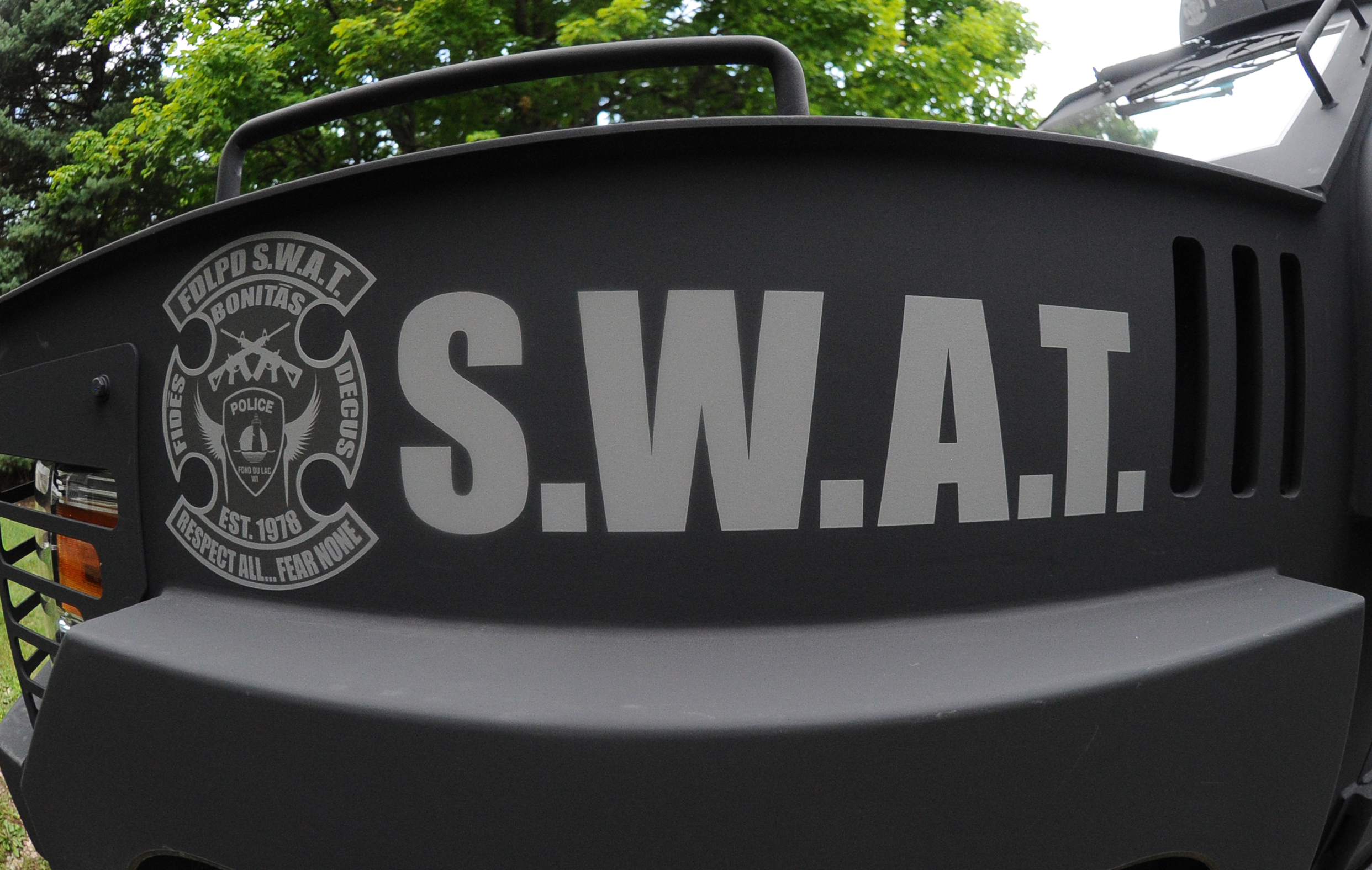
On Wednesday, November 19, 2025, the Fond du Lac County Communications Center received information that a man in Waupun had shot his wife and was going to shoot his daughter.
According to scanner transmissions, this information was sent in via a chat on the suicide hotline number.
The dispatch center quickly sent some Waupun officers to the address, but some things weren’t adding up. First, it was known that the male in question lives in Fond du Lac. A Waupun officer familiar with the man stated “he moved out of that address years ago.” And lastly, a Fond du Lac County deputy also familiar with the man stated he wasn’t married.
Contact was made with the man, and within 25 minutes, the call was history.
The incident just described is a call named a swatting incident.
Swatting is when a person makes a fictitious call to police, reporting that a very serious crime like active shooters or hostage situations are taking place. The idea is to have a heavy police presence, including S.W.A.T. teams, surround a location and take the person into custody.
Swatters often target specific individuals, such as those involved in video games, public figures, or political opponents, and use doxxing to find their personal information like an address. In Wednesday’s incident, it’s believed a Google search was used to find the man’s address, but the information was old, showing a past address listed as a current address.
Further helping disprove this incident was the fact that no one was even living at the address given.
Our area is no stranger to swatting calls. In August of 2025, a Fond du Lac woman was arrested for a swatting incident in which she falsely reported a hostage situation at an apartment, leading to a large police response. The call was allegedly made to retaliate against two people she had a prior fight with.
In 2019, an Ohio teen was charged with 73 counts related to swatting calls around the country including one in Dodge County. That call involved information that a man had taken hostages in a home on 151 between Beaver Dam and Columbus. In that case, Dodge County Sheriff Dale Schmidt said while it took some time to bring charges, the perpetrator is being held responsible and he hopes the resolution of the case will “dissuade others from trying this type of activity.”
Swatting can be charged as either a felony or a misdemeanor, depending on the specific circumstances and local laws. The severity of the charge, and the potential for a felony, typically depends on whether the false report posed a risk of serious injury or death.
The specific charges can vary based on the intent behind the false report and the actual or potential consequences, such as the response from law enforcement and any injuries that may result.
Calls reporting swatting are often masked using technology to disguise numbers to make the call more believable. Despite this effort to hide the real number, Fond du Lac County Sheriff Ryan Waldschmidt told KFIZ, “Suspects making these calls from within the US have a much better success rate of being identified than calls made from other countries.”
At this time it’s not known if any involved agency will be attempting to track where Wednesday’s chat came from.