


Wisconsin News
Rising Mortgage Rates Slow Wisconsin Home Sales, Ease Price Growth
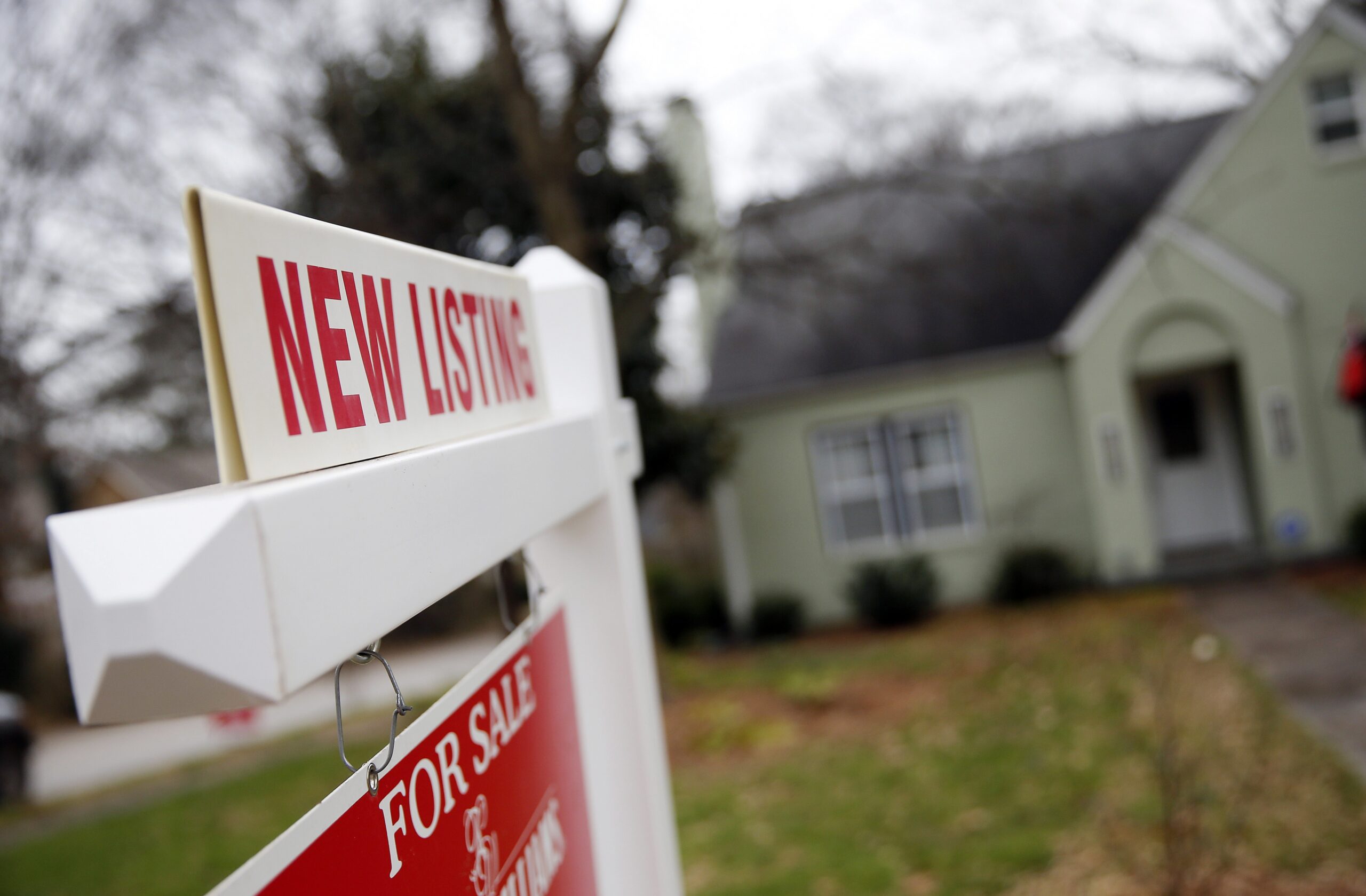
Rising mortgage rates are putting pressure on Wisconsin’s housing market, contributing to fewer home sales and slower home price growth, according to the Wisconsin Realtors Association’s September 2026 Real Estate Report.
Existing home sales across Wisconsin fell 2.4% in September compared with the same month last year, while the statewide median home price increased 1.5% to $342,000. The annual price increase was the slowest since June 2014.
The average rate on a 30-year fixed mortgage reached 6.86% in September, up 0.51 percentage points from a year earlier. That’s the highest average rate since January 2025, when it reached 6.96%.
Amy Curler, 2026 chair of the Wisconsin Realtors Association Board of Directors, said higher mortgage rates have softened buyer demand, even as housing inventory has improved.
The association’s president and CEO, Tom Larson, said rising rates are affecting both sides of the market. Higher borrowing costs are making homes less affordable for buyers, while some homeowners are reluctant to sell because they would be giving up the lower mortgage rates they secured in recent years.
Despite the September slowdown, Wisconsin’s housing market has posted gains overall in 2026. Home sales during the first nine months of the year were up 2.8% compared with the same period in 2025. The statewide median home price for that period increased 6% to $346,500.
Housing inventory also showed signs of improvement. Although new listings declined 5.1% over the past year, total listings increased 3.8% between September 2025 and September 2026.
The state had 4.4 months of available housing supply in September, up 2.3% from a year earlier. The association considers six months of supply to represent a balanced market, meaning Wisconsin’s more urbanized areas remain in seller-favorable conditions.
Large metropolitan counties had about four months of supply, while smaller micropolitan counties had 4.5 months. Rural counties had 6.1 months of available inventory, putting them closer to a balanced market.
Affordability remains a concern. The association reported that housing affordability declined 5.5% over the past 12 months, as flat income growth and higher mortgage rates offset the effects of slower home price appreciation.
Dave Clark, professor emeritus of economics and a consultant to the Wisconsin Realtors Association, said the Federal Reserve’s efforts to control inflation remain an important factor in the outlook for mortgage rates. He noted that further progress in lowering inflation expectations would be an important step toward reducing borrowing costs.
The report suggests Wisconsin’s housing market is gradually seeing more available homes and slower price growth, but higher mortgage rates continue to challenge buyers and influence homeowners’ decisions about whether to sell.