


Local News
Strain on electrical grid likely as air conditioning usage increases during heatwave
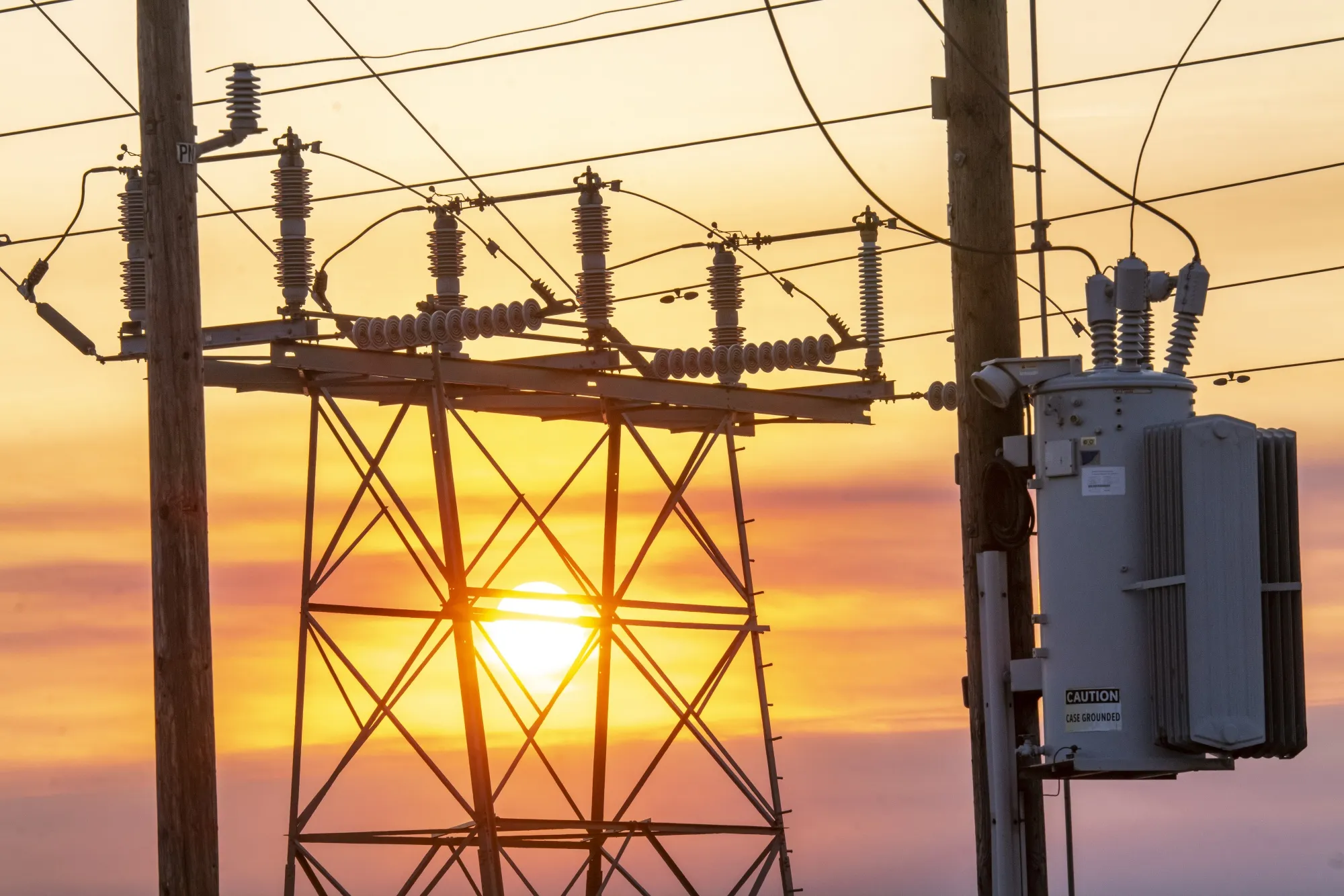
With this hot stretch of weather, it’s not just people feeling the heat. Wisconsin’s electric grid is also expected to see one of its busiest periods of the summer as air conditioners work overtime to keep homes and businesses cool.
Electricity demand typically reaches its highest levels during prolonged periods of hot, humid weather. The biggest contributor is air conditioning, which can account for nearly half of a home’s electricity use on extremely hot days.
When thousands of homes and businesses are cooling their buildings at the same time—especially during the late afternoon and early evening—electric utilities experience a sharp increase in demand.
While Wisconsin’s power companies are prepared for summer heat, reducing electricity use during peak hours can help lessen the strain on the electrical grid and improve overall reliability.
Experts say there are several simple ways residents can help. Setting the thermostat just two or three degrees higher—around the mid 70s can significantly reduce electricity use while still maintaining comfort. Running dishwashers, washing machines, and clothes dryers early in the morning or later in the evening also helps shift electricity use away from the busiest hours of the day.
Keeping blinds and curtains closed on windows facing the afternoon sun will prevent indoor temperatures from rising, reducing the amount of work an air conditioner has to do. The use of fans can also help rooms feel several degrees cooler, allowing homeowners to raise the thermostat without sacrificing comfort.
Residents are also encouraged to replace dirty furnace or air conditioning filters and avoid using ovens during the hottest part of the day, choosing outdoor grills or microwave ovens instead whenever possible.
Power companies also remind customers that conserving electricity should never come at the expense of personal safety. During this week’s Extreme Heat Warning, staying cool is the top priority. If someone is elderly, has a medical condition, or doesn’t have access to air conditioning, they should seek out a cooling center, library, shopping center, or other air-conditioned public building rather than risk heat-related illness.
With dangerously hot conditions expected through Thursday, a few small changes in energy use can help reduce demand on the grid while keeping electricity available for everyone who needs it most.