


Wisconsin News
Year-round gardening is within reach
By Sara Gabler
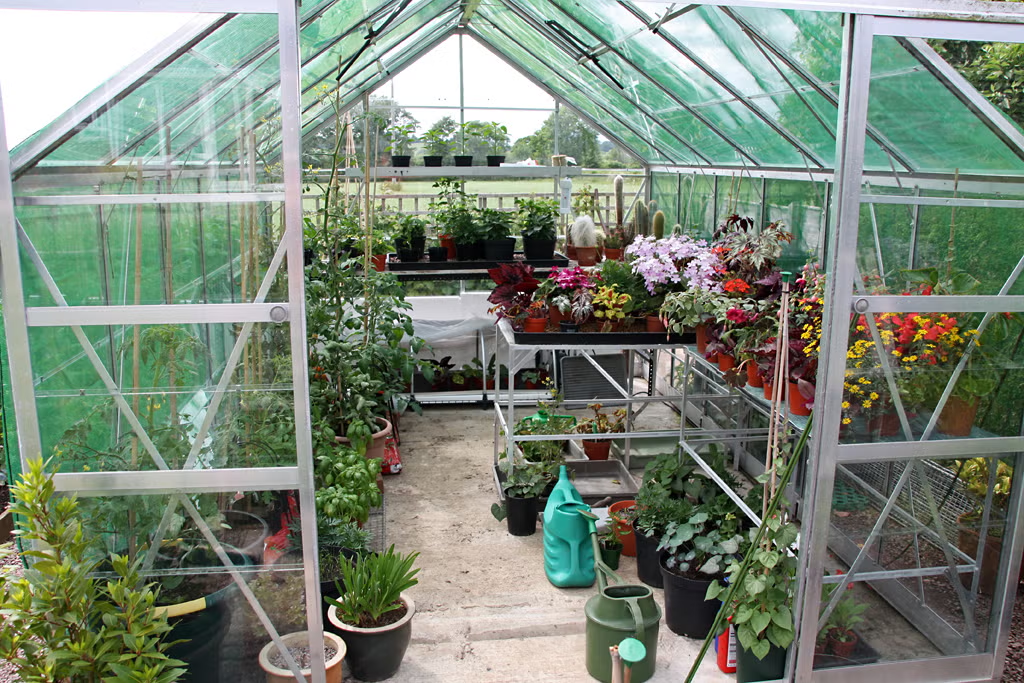
A new book from certified professional horticulturalist Leslie F. Halleck aims to prepare any gardener to successfully construct and utilize a home greenhouse.
Halleck told “Garden Talk’s” Jill Nadeau that “gardening is what we call an embedded trend in our culture. It’s not going anywhere.”
As a new generation of people discover greenhouses, Halleck said there are plenty of options to fuel the revival, including affordable kits for the home gardener and abandoned greenhouses in backyards waiting to be revived.
Halleck’s book, “Home Greenhouse Revival: Growing Year-Round Foliage, Flowers & Food,” offers practical advice on how to plan your greenhouse — from deciding on appropriate placement to setting up a temperature sensor.
These are important considerations for gardeners in Wisconsin who contend with snow loads, winds and winter temperatures that strain not only delicate plants but the frames and windows of the greenhouse itself.
There are more quality greenhouse kits on the market than ever, but Halleck said that before you go out and buy one, you need to determine what plants you want to grow. Do you want to overwinter dahlias or start tomatoes in January?
“If you want to grow your orchids and cilantro at the same time, you’re going to have a problem. Cilantro never wants to get even close to 70 degrees, but your orchids are going to want that warm temperature. You have to think about what you’re putting together in greenhouses,” Halleck said.
Taking the time to map out your greenhouse plan will set you up for success. “Home Greenhouse Revival” guides readers through a number of important considerations.
- Placement. Will your greenhouse have southern exposure during the winter months? Will you set it up nearby or directly next to an existing structure? What municipal ordinances should you look into before you build? What size greenhouse will suit your needs?
- Understand your inputs. Grow lights might be necessary in addition to natural sunlight. Will you be able to install plumbing or use a DIY system like drip irrigation? Where will the water go after it’s applied to your plants? Does your greenhouse have vents to regulate humidity?
- Temperature. Should you set up an interior and exterior sensor to monitor temperature? Is an automated heating system right for you? What are the day/night temperature ranges for your plants?
- Biosecurity. Scout your plants for hijackers. You may need to hose off your plants before you bring them into the greenhouse, or use horticultural oils or predatory insects to deter pests.
Wisconsin Public Radio, © Copyright 2026, Board of Regents of the University of Wisconsin System and Wisconsin Educational Communications Board.